


Getting Relief from Constipation: Best Over-the-Counter Remedies
- Joyce Vallo
- Mar 4, 2024
- 1 min read

Updated: Mar 10, 2024
We include products we think are useful for our readers. When you buy through our links, we may earn a commission.
Constipation refers to infrequent, difficult, or incomplete bowel movements. Less than 3 bowel movements per week is considered constipated by clinical standards. Constipation occurs when stool passes slowly through the digestive tract or intestine, becoming hard, dry and challenging to eliminate.
While occasional constipation is very common and usually the result of dietary choices or simple dehydration, chronic constipation left untreated over months or years can cause health complications. Fortunately, there are many effective over-the-counter laxatives and home remedies to get your bowels moving regularly again comfortably and safely.
Quick Look at the Best Over-the-Counter Medications to Relief Constipation
Docusate Sodium -click here👉 Stool Softener 100 mg
Lactulose (Duphalac)-click here👉 Osmotic Laxatives
DULCOLAX Bisacodyl-click here👉 Stimulant Laxative
MiraLAX Laxative Powder-click here👉 Gentle Constipation Relief
UP5 Nano Probiotics-click here👉 For Colitis,Constipation & Diarrhea






What Causes Constipation?
Common causes of constipation include:
Low fiber diets - Fiber normalizes stool bulk and consistency. Lack of fruits, vegetables and whole grains contributes to hardness and gut motility issues.
Dehydration - Water is necessary for soft bowel movements. Dehydration from insufficient fluids concentrates waste, drawing moisture from stool.
Medications - Iron supplements, antidepressants, opioids and antacids often have constipation as a side effect.
Lack of exercise - Physical movement stimulates contractions along the colon to efficiently move stool. Sedentary lifestyles mean waste lingers longer.
Health conditions - Slowed colon function resulting from neurologic conditions, IBS, diabetes or thyroid disorders impact normalcy of bowel movements.
Signs and Symptoms of Constipation
Signs of constipation include:
Passing fewer than 3 stools per week
Hard, dry, lumpy stool
Straining during bowel movements
Sensation of blocked stool
Abdominal bloating and discomfort
Reduced appetite
Nausea
If you haven’t passed stool for more than 3 days and are experiencing intense stomach pain, vomiting, swelling or blood in stool, seek prompt medical care as impaction may require disimpaction.
Best Over-the-Counter Laxatives
Over-the-counter laxatives help induce bowel movements through various mechanisms. Laxative supplements can be categorized into four main classes based on how they work:
Docusate Stool Softener
Docusate is a stool softener that increases water content in the stools to make bowel movements easier.


Pros:
Gentle stool softening effect
Less cramping than laxatives
100mg capsules for easy swallowing
Cons:
Can take 1-3 days to work
Not as strong as laxatives
Best For: Mild constipation relief and softening stools.
"I take these when I feel constipated as they are gentle. Helps soften stools without bad cramps." - Lily, Shopee customer
Lactulose Syrup
Lactulose syrup is an osmotic laxative that pulls water into the colon to soften and loosen stools.


Pros:
Works in 24-48 hours
Tasteless and odorless syrup
Can be used long-term
Cons:
Causes gas and bloating
Can be messy to administer
Best For: Effective constipation relief suitable for long-term use.
"Lactulose works great to get my bowels moving again. Just have to start slow and expect some gas." - Ryan, Mercury Drug customer
Dulcolax Tablets
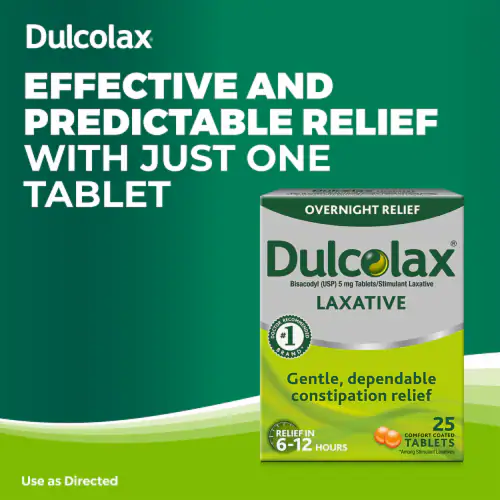
Dulcolax contains bisacodyl, a stimulant laxative that increases muscle contractions in the intestines.


Pros:
Provides effective constipation relief
Works in 6-12 hours
Enteric coated for easy swallowing
Cons:
Can cause abdominal pain and cramps
Not for long-term use
Best For: Fast occasional constipation relief.
"These Dulcolax tablets work fast when I’m really backed up. The cramps are worth it for the relief I get." - Nicole, Watsons customer
MiraLAX Powder
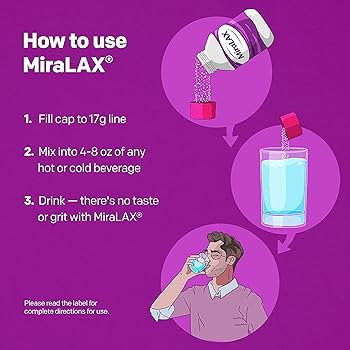
MiraLAX is a laxative powder containing polyethylene glycol to add fluid to stools and restore regularity.



Pros:
Powder can be mixed into drinks
Unflavored and odorless
Works gently without pain
Cons:
Takes 1-3 days to work
Can cause bloating, gas, nausea
Best For: Gentle constipation relief suitable for long-term use.
"I prefer MiraLAX as it doesn't cause bad cramping like other laxatives. Just mix into juice and take daily." - Mary, Lazada customer
UP5 Probiotics
These probiotic capsules contain 5 strains of beneficial bacteria to improve gut health, digestion, and relieve constipation.


Pros:
60 vegetable capsules
5 high potency strains
Improves gut health over time
Cons:
More expensive
Can take weeks to improve constipation
Best For: Natural constipation relief and long term digestive health.
"I've been taking UP5 probiotics for better bowel regularity. It has helped reduce my constipation issues." - Sara, Shopee customer
Buyer's Guide for Constipation Relief Medicines
When choosing constipation relief:
Stool softeners provide gentle relief while laxatives stimulate bowel movements.
Look for osmotic laxatives like lactulose for long-term use. Stimulant laxatives like bisacodyl are for short term use.
Probiotics improve gut health over time but can take weeks to relieve constipation.
Compare ingredients and dosages when choosing the right constipation medication.
Always drink lots of fluids when taking constipation medicines to prevent dehydration.
Lifestyle Changes and Home Remedies
While laxatives help provide immediate relief, adopting these practices reduces likelihood of recurrent constipation episodes:
Fluids - Stay well hydrated with 64+ oz water daily. Prune juice adds hydration with natural laxative effect.
Fiber - Get 25-40g daily through high fiber foods like fruits, vegetables, beans, oats, nuts and seeds.
Exercise - Perform both aerobic and muscle-strengthening activities. All physical movement stimulates colon contractions.
Biofeedback therapy - This meditative technique reduces stress and tension that can inhibit healthy bowel functioning.
Abdominal massage - Apply light pressure while massaging your abdomen to encourage motility.
Probiotics - These healthy gut bacteria support efficient digestion. Yogurt, kefir, kombucha replenish levels reduced by antibiotics or illness. Consider aligning with your chronotype.
Schedule toilet time - Honor natural elimination urges rather than postponing bowel movements. Best times are 20-30 minutes post-meal consumption. Squatting rather than sitting also facilitates easier passage.
Preventing Travel Constipation
Journeying often disrupts normal elimination patterns. Prepare proactively:
Walk, stretch or run at airports between flights
Stay well hydrated with water instead of dehydrating caffeine or alcohol
Consider taking a laxative supplement 1-2 days before an international trip
Pack probiotics to support healthy gut flora abroad
When Constipation Warrants Medical Evaluation
While occasional constipation generally resolves with sufficient fiber, fluids, exercise and laxatives, prolonged or recurring constipation with concerning symptoms warrants medical investigation.
See your doctor if you experience:
No bowel movement for over 3 days
Persistent abdominal pain and bloating
Blood in stool
Unintentional weight loss
Be evaluated for potential obstruction or slowing motility from conditions like:
Irritable Bowel Syndrome (IBS)
Neurogenic bowel dysfunction
Hypothyroidism
Colon cancer
Severe longstanding constipation causes impacted feces to get stuck, requiring manual disimpaction by a medical professional. Though uncomfortable to discuss, don’t hesitate to seek care.
Take Control with Over-the-Counter Relief
Constipation affects nearly 16 out of 100 adults. OTC laxatives offer accessible relief until natural bowel rhythm can be restored through diet, hydration and lifestyle adjustments. Stool softeners gently ease pain with elimination while stimulant laxatives decisively alleviate backed up bowels within hours.
Recognize concerning symptoms warranting medical intervention, like persistent pain or bleeding. While infrequent constipation generally responds well to self-care, certain diagnoses can require prescription treatments to manage longstanding motility dysfunction for optimal comfort and health.
Tips for Preventing Constipation
While occasional constipation happens to everyone, you can take proactive steps to maintain regular bowel movements and prevent recurrence of uncomfortable symptoms.
Eat more high-fiber foods - Fruits, vegetables, whole grains, nuts and seeds help form soft, bulky stool that is easier to pass.
Stay hydrated - Aim for 64+ oz of fluids daily. Water and prune juice are great choices. Dehydration from too little fluids is a common cause of constipation.
Exercise daily - Physical activity stimulates contractions along the colon to efficiently pass stool. Aim for 30 mins daily including both cardio and muscle-strengthening.
Address medications - If current prescriptions like pain meds cause constipation, ask your doctor about alternatives or ways to prevent this side effect.
Reduce stress - Anxiety and mental tension manifest physically by inhibiting digestion and gut motility. Try yoga, meditation or relaxation techniques.
Consider probiotic supplements - Probiotics promote healthy gut flora shown to improve consistency and regularity of bowel movements.
What To Do When Traveling
Traveling often throws off normal bathroom habits, resulting in uncomfortable constipation. Be proactive by:
Walking frequently in airports to stimulate bowel motility
Drinking bottled water instead of dehydrating soda or coffee
Avoiding dietary culprits like dairy, greasy fast food, etc
Carrying laxatives as a precaution if bowels feel “off”
Taking probiotic supplements to support healthy gut flora and digestion
Staying ahead of potential bathroom issues makes for a smoother, enjoyable trip!
Conclusion
Constipation affects 1 out of every 7 individuals at some point. While uncomfortable, over-the-counter laxatives provide effective relief for both occasional and chronic cases until natural bowel rhythm can be restored. Identifying and avoiding dietary triggers, staying hydrated, maintaining probiotics and being active all help prevent recurrence.
Recognize alarm symptoms like persistent pain, vomiting or blood that warrant a doctor’s visit. Though never fun to discuss, getting earlier treatment for an underlying condition can greatly improve one's quality of life.
With some discipline and lifestyle tweaking, constipation can be better managed – or avoided altogether! Be well informed on all options for optimal digestive health and comfort.
Helpful Resources:
NIH Overview on Constipation: https://www.niddk.nih.gov/health-information/digestive-diseases/constipation
IFFGD Laxative Guide: https://iffgd.org/diet-treatments/laxatives/otc-laxative-guide.html
ACG Constipation Info: https://gi.org/topics/constipation/
Take Control of Your Symptoms:
Try Recommended Products: Explore the recommended OTC products mentioned in this guide....add product link and pictures here



Comments