


Headaches and Migraines: The Best Over-the-Counter Medications
- Joyce Vallo
- Feb 9, 2024
- 1 min read

Updated: Feb 29, 2024
We include products we think are useful for our readers. When you buy through our links, we may earn a commission.
Headaches are a common ailment that most people experience at some point in their lives. However, when a headache evolves into a migraine, the impact on daily life can be profound. To effectively navigate the realm of headaches and migraines, it's crucial to understand their various types and underlying causes.
Quick look at the Over-the-Counter Treatment for headaches and migraines
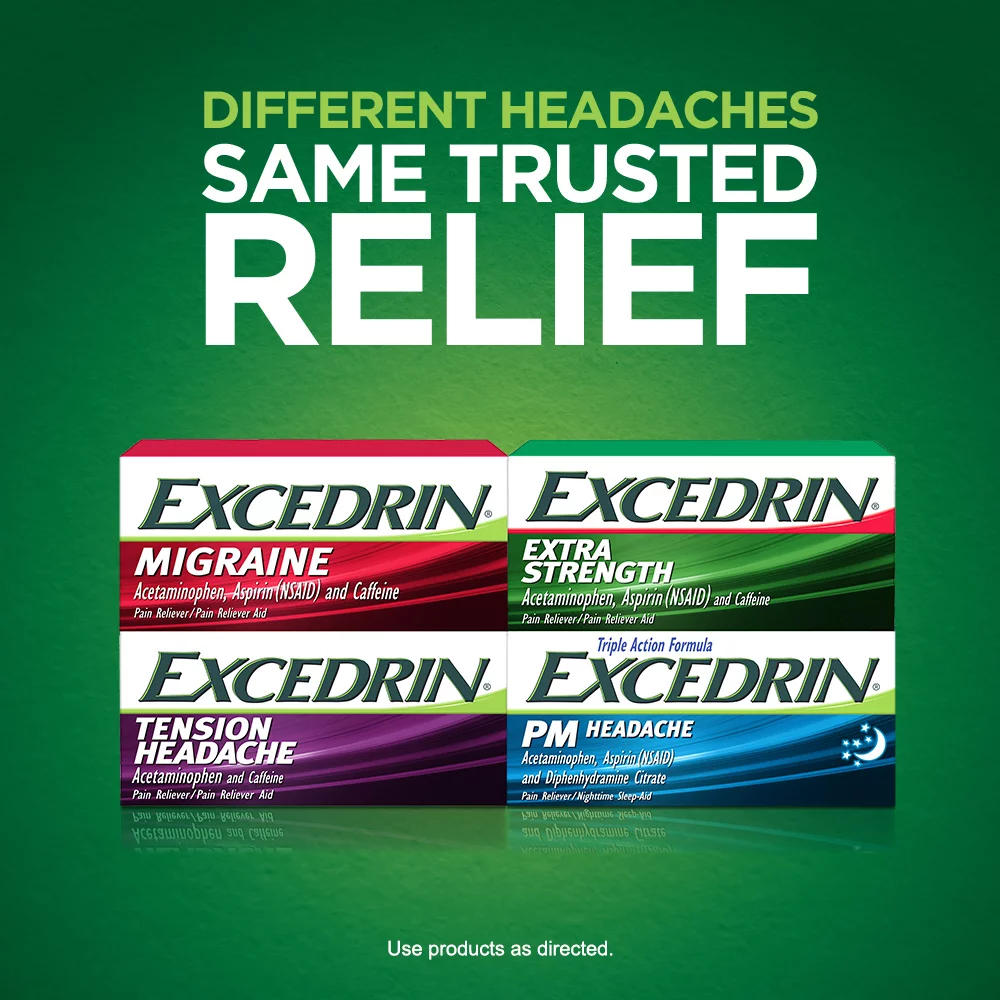
Excedrin- click here👉 Tension Headache and Migraine
Tylenol- click here👉 Paracetamol Extra Strength
Advil- click here👉 Pain & Inflammation
Sumifun Patch- click here👉 Headache Relief Patch
Rexidol Forte- click here👉 Paracetamol with Caffeine
Neurobion- click here👉 Vitamin B-Complex
Dolo-neurobion- click here👉 Paracetamol with Vitamin B-Complex


Understanding Headaches and Migraines
Types of Headaches
Tension Headaches: The most prevalent type, often characterized by a constant, dull ache on both sides of the head.
Cluster Headaches: Intense and recurring headaches that occur in clusters, often accompanied by eye watering and nasal congestion.
Migraines: A neurological condition marked by severe throbbing pain, nausea, and sensitivity to light and sound.
The Enigma of Migraines
Migraines remain a puzzle for medical professionals, with triggers ranging from hormonal changes to certain foods or environmental factors. Understanding your migraine triggers is crucial for effective management.
Over-the-Counter Treatments
When it comes to managing headaches and migraines, over-the-counter (OTC) treatments can provide relief. Here are some commonly used options:
Analgesics
Paracetamol or Acetaminophen
It works by reducing the production of prostaglandins in the brain, which are chemicals responsible for pain. While effective for mild to moderate headaches, it's essential to adhere to recommended dosage guidelines to avoid liver damage.
Ibuprofen
Ibuprofen, found in medications like Advil and Motrin, belongs to the nonsteroidal anti-inflammatory drug (NSAID) class. It not only reduces pain but also addresses inflammation. However, long-term use may lead to stomach issues, so caution is advised.
Combination Medications
Combination medications, like Excedrin Migraine, often contain a mix of acetaminophen, aspirin, and caffeine. Caffeine plays a crucial role in enhancing the absorption of these medications, providing a more potent pain-relieving effect.
Caffeine
While commonly associated with your morning cup of coffee, caffeine can also be a headache ally. It constricts blood vessels, reducing blood flow and providing relief. However, excessive intake can lead to rebound headaches, so moderation is key.
Natural Supplements
In addition to traditional OTC medications, some individuals find relief from headaches and migraines through natural supplements. These may include:
Magnesium: Known for its role in nerve function, magnesium supplements can help alleviate migraines, especially for those with a magnesium deficiency.
Riboflavin (Vitamin B2): Studies suggest that riboflavin supplements may reduce the frequency and intensity of migraines.
Lifestyle Changes and Prevention
Beyond OTC medications, adopting certain lifestyle changes can significantly reduce the frequency and intensity of headaches and migraines.
Hydration
Dehydration is a common trigger for headaches. Ensure you're drinking an adequate amount of water throughout the day, especially if you lead an active lifestyle.
Regular Exercise
Engaging in regular physical activity not only improves overall health but can also reduce the frequency and severity of headaches. Aim for at least 30 minutes of moderate exercise most days of the week.
Sleep Hygiene
Poor sleep patterns contribute to headaches and migraines. Establish a consistent sleep schedule, create a relaxing bedtime routine, and ensure your sleep environment is conducive to rest.
Dietary Considerations
Certain foods can trigger headaches and migraines in susceptible individuals. Consider keeping a food diary to identify potential triggers. Common culprits include:
Caffeine: While beneficial in moderation, excessive caffeine intake can lead to headaches.
Tyramine-containing foods: Aged cheeses, processed meats, and certain types of beans may trigger migraines in some individuals.
Managing Stress
Stress is a well-known contributor to headaches and migraines. Implementing stress-management techniques can be a crucial aspect of comprehensive care.
Mindfulness and Meditation
Practicing mindfulness and meditation can help reduce stress levels. Apps like Headspace and Calm provide guided sessions that are easily accessible for beginners.
Breathing Exercises
Simple breathing exercises, such as diaphragmatic breathing, can promote relaxation and alleviate tension. Take a few minutes each day to focus on deep, intentional breaths.
When to Seek Professional Help
While OTC treatments and lifestyle changes can be effective for many, there are instances where professional intervention is necessary.
Red Flags
If you experience any of the following, seek medical attention promptly:
Sudden, severe headache
Headache after a head injury
Headache with neurological symptoms (like vision changes or difficulty speaking)
Diagnosis and Treatment Plans
A healthcare professional can provide a precise diagnosis and develop a tailored treatment plan. This may include prescription medications, preventive measures, or even referrals to specialists for further evaluation.
Specialized Treatments
For those with chronic or severe migraines, specialized treatments such as Botox injections or nerve stimulators may be considered. These interventions are typically reserved for cases where other treatments have proven ineffective.
Conclusion
Understanding the nuances of headaches and migraines empowers individuals to make informed choices about their treatment. While OTC options provide relief, a holistic approach incorporating lifestyle changes, stress management, and professional guidance is key to long-term management. Remember, your health is a priority, and seeking professional advice when needed ensures a comprehensive and personalized approach to headache and migraine management.
Take Control of Your Symptoms:
Try Recommended Products: Explore the recommended OTC products mentioned in this guide. Always read the label for proper dosing.
Disclaimer: The information provided in this article is for informational purposes only and should not be considered as medical advice. Always consult with a healthcare professional for personalized guidance based on your specific health condition.



Comments