


Stubborn Dandruff: The Best Over-the-Counter Medications
- Joyce Vallo
- Feb 11, 2024
- 1 min read

Updated: Feb 28, 2024
We include products we think are useful for our readers. When you buy through our links, we may earn a commission.
Dandruff is an exceedingly common scalp condition marked by irritation, flaking of skin cells, and itching. It affects nearly half of all adults to some degree and can cause social embarrassment due to visible white flakes in the hair and on clothing.
While dandruff itself is relatively harmless, the itching and inflammation it causes can significantly impact one's hair health and self-confidence. Additionally, untreated dandruff may indicate more serious underlying conditions like psoriasis, eczema, or fungal infections.
Thankfully, with consistent proper hair care and over-the-counter treatments, dandruff can be controlled and managed effectively for the majority of sufferers. By understanding the causes and implementing medicated shampoos and natural remedies, you can banish flakes and restore a healthy, flake-free scalp and head of hair.
Quick look at the Over-the-Counter treatment for stubborn dandruff
Selsun Blue- click here👉 Anti-danddruff Shampoo
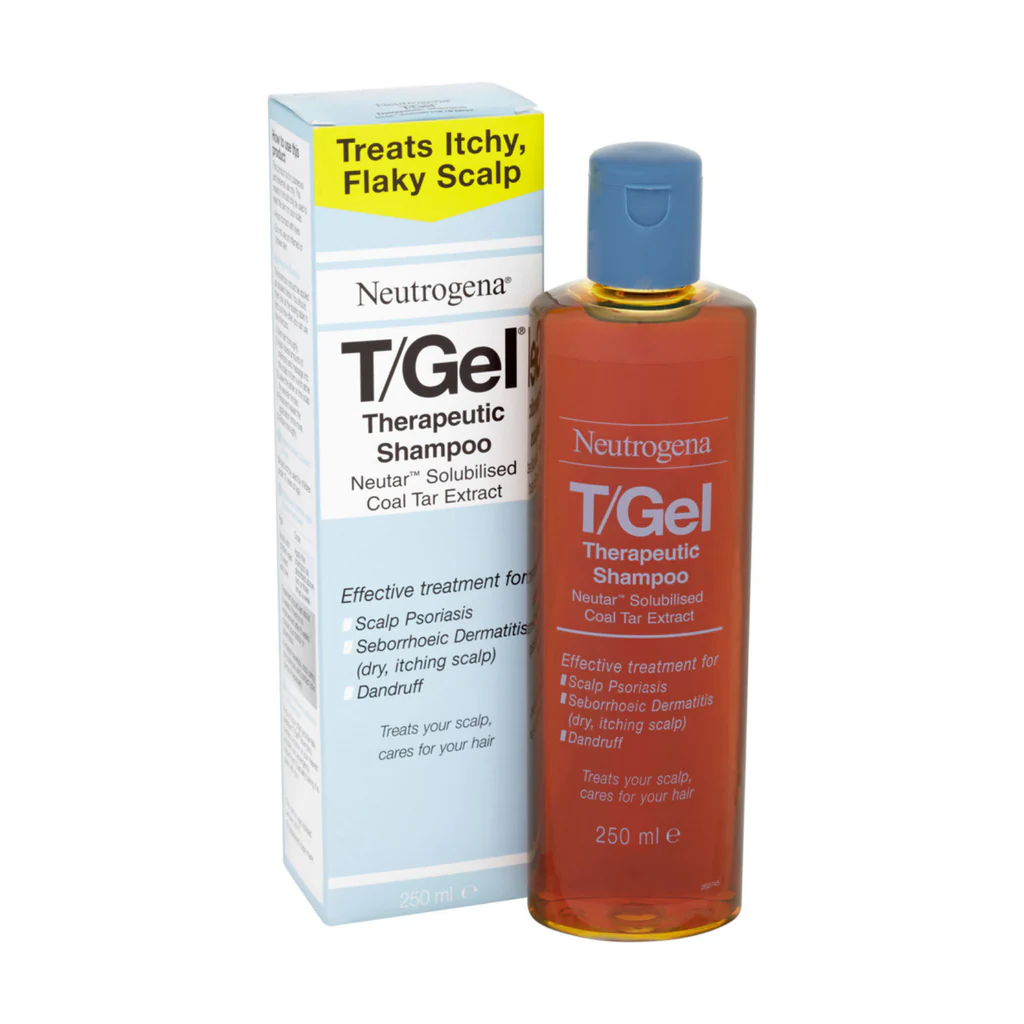
T-Gel Shampoo- click here👉 Coal-Tar Shampoo
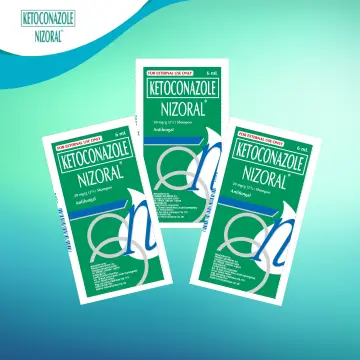
Nizoral- click here👉 Anti-fungal Shampoo


What Causes Dandruff?
Dandruff occurs due to a fungus called malassezia that lives on everyone's scalps. For some, this fungus grows out of control, feeding on the oils secreted by hair follicles (sebum). The excessive metabolism of oils causes irritation, accelerated cell turnover, and the characteristic flakes.
Dandruff worsens in conditions favoring fungal growth. This includes infrequent shampooing, oily skin, dry winter months, immune system compromisation, and stress.
While largely harmless itself, untreated dandruff may be connected to several hair and scalp disorders. That makes controlling flakes important for maintaining optimal hair health and appearance.
Dandruff Symptoms
The most common dandruff symptoms include:
White, oily-looking flakes of dead skin visible in the hair or on clothing
Itchy, irritated scalp
Red, greasy patches with flaky skin
Tight feeling in scalp
In people with dark hair, small white flakes may be visible clinging to the hair shafts
Symptoms tend to worsen seasonally, during times of stress, or when washing hair infrequently. Flare ups can occur anywhere from every few days to once a month.
While annoying, classic dandruff symptoms remain largely superficial, involving only the uppermost scalp skin layers. However, they should never be ignored as they can signify other problems.
Risk Factors for Developing Dandruff
Several risk factors contribute to dandruff susceptibility:
Infrequent shampooing - Allows fungus population, oils, and dead skin cells to accumulate
Oily skin types (high sebum production) - Feeds growth of scaling fungus
Age 20-30 years - Peak incidence is during these years when sebum production is highest. However, dandruff truly can develop at any age.
Stress - Impairs immune function and sebum production
Cold, dry weather - Leads to dry, flaky skin exacerbating scaling
Men - Produce more sebum and skin turnover making them more prone than women
Compromised immunity - Certain conditions like HIV or autoimmune disorders enable fungus overgrowth
Understanding risk factors allows people to recognize what triggers may worsen their dandruff and take preventative action.
Preventing Dandruff
While not always possible to prevent, minimizing dandruff proactively can reduce severity and frequency of flare-ups. Prevention tips include:
Wash hair more frequently - 2-3 times weekly helps prevent product, dead skin cell, and oil buildup that exacerbate dandruff
Use dandruff shampoo regularly - Not just during flare-ups
Massage shampoo into scalp - Improves penetration and efficacy
Gently brush scalp - Helps lift and loosen flakes to be washed away
Reduce stress levels through self-care - Lower stress keeps immune system strong
Making dandruff prevention steps part of your regular hair care regimen can reduce recurrence dramatically.
Effective Over-the-Counter Treatments
The most proven over-the-counter dandruff solutions contain medicated ingredients that treat fungal growth, inflammation, scaling, and itching when used properly and consistently.
Medicated Anti-Dandruff Shampoos
These shampoos contain active ingredients that target various aspects of dandruff:
Pyrithione zinc - Antifungal and antimicrobial to slow fungus overgrowth
Selenium sulfide - Reduces rate of cell turnover to minimize scaling
Ketoconazole - Antifungal ingredient also used to treat fungal infections
Coal tar - Slows epidermal cell growth rate decreasing flakes
Salicylic acid - Sheds excessive skin cells through exfoliation
Using a shampoo tailored to your main symptoms generally proves most effective long-term. Rotating between ingredients periodically can also help prevent fungal resistance.
Tips for Using Medicated Shampoos
Use anti-dandruff shampoo 2-3 times weekly in place of regular shampoo
Massage shampoo thoroughly into damp hair and scalp before rinsing
For severe cases, leave medicated shampoos on 1-5 mins before rinsing out
It can take weeks of consistent use to bring severe dandruff under control
Rotate between different medicated shampoo ingredients to prevent fungal adaption
Use a gentle regular shampoo for washing hair in between anti-dandruff washes
With regular use, most medicated shampoos significantly reduce flakes within weeks. However, dandruff treatment depends greatly on the individual and severity. Trial and error to find what works best for your scalp is key.
Other Over-the-Counter Treatment Options
In addition to shampoos, some other supplemental OTC treatments can help control dandruff:
Tea tree oil - Contains antimicrobial and anti-inflammatory compounds to soothe scalp
Apple cider vinegar - Acidity helps remove dead skin cells and balances pH levels
Probiotics - When applied topically help restore balance between microbes
Steroid creams - Hydrocortisone reduces inflammation and itch temporarily
Zinc pyrithione soap - Uses same active ingredient as shampoos, allows scalp cleansing between washes
These remedies help support medicated shampoo efficacy. Introduce supplements one at a time and discontinue use if any irritation occurs.
When to See a Dermatologist
While over-the-counter methods treat dandruff effectively for most, visiting a dermatologist should be considered if:
There is no improvement after 6-8 weeks of properly using medicated anti-dandruff shampoos
You experience pain or discharge from an extremely inflamed, red scalp
Hair loss occurs along with dandruff symptoms
Intense scalp itching or scaling develops disrupting sleep or daily life
In rare cases, severe flaking or itch may indicate underlying inflammatory conditions requiring specialized treatment, such as:
Psoriasis - Autoimmune condition with raised, scaly red patches
Seborrheic dermatitis - Severe dandruff accompanied by yellow, oily scales
Skin fungus infection - Fungal overgrowth damages skin itself
Dermatologists have access to prescription strength medicated shampoos, steroid applications, antimicrobial cleansers, and ultraviolet phototherapy to treat complications.
Getting a professional diagnosis lets you identify any coexisting issues and receive treatment recommendations tailored to your needs. A dermatologist can develop a customized regimen targeting the specific factors exacerbating your dandruff.
Conclusion
The key to controlling dandruff involves attacking factors fueling fungal growth and skin cell turnover - namely overactive oil glands, compromised immunity, and external scalp irritation.
Consistent gentle cleansing paired with antimicrobial ingredients in medicated shampoos addresses these contributors. Most cases of stubborn dandruff resolve within 6-8 weeks of daily washing with a treatment shampoo and brushing.
However, symptoms persisting after dedicated OTC treatment warrant evaluation by a skin specialist. A dermatologist identifies any underlying scalp disorders and provides access to prescription anti-dandruff therapies.
With customized therapy and a little patience, the vast majority of dandruff sufferers achieve lasting relief from frustrating flakes. A minor annoyance need not disrupt confidence or hair health. Simple at-home scalp care makes peace with dandruff possible.
Take Control of Your Symptoms:
Try Recommended Products: Explore the recommended OTC products mentioned in this guide. Always read the label for proper usage.
Disclaimer: The information provided in this article is for informational purposes only and should not be considered as medical advice. Always consult with a healthcare professional for personalized guidance based on your specific health condition.



Comments